




PLEASE READ BEFORE ORDERING:
I carried out a CITES import of Encephalartos in 2025 and am offering a limited number of surplus plants. These plants are 100% legally imported, and each one is supplied with an invoice and a copy of the corresponding CITES documentation.
Importing CITES-listed plants is both complex and risky, which partly explains their relatively high price (especially compared with certain Italian and German sellers who illegally bring plants in through suitcases or undeclared parcels).
The plants I offer are guaranteed to be pure, non-hybrid specimens. This is in contrast to many plants on the market, which are actually crosses between different populations—or even between different species. For example, if you are offered an Encephalartos nubimontanus or E. eugene-maraisii without a documented wild locality, there is a significant chance that it is a hybrid between two different populations. All of my plants are offsets taken from perfectly identified mother plants originating from one of the most reputable cycad collections in the world.
I therefore offer plants that are not only fully legal but also have an outstanding pedigree. I imported them to establish breeding colonies in partnership with several botanical gardens.
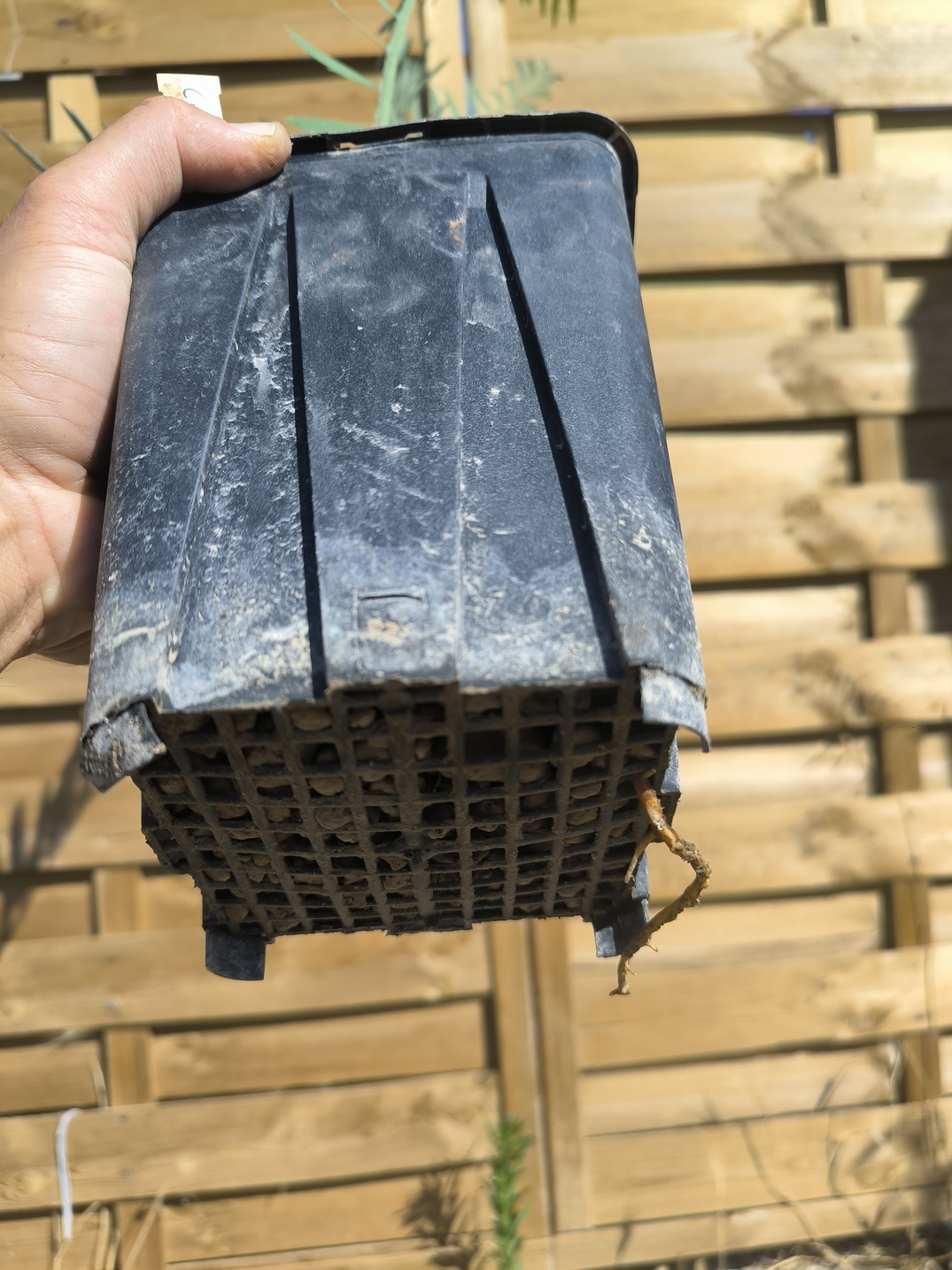
The plants have been at my nursery since last summer and are now well rooted. However, I plan to begin shipping them in October, allowing them to benefit from my growing conditions for as long as possible before winter. If you really wish to receive your plant earlier, this can be arranged.
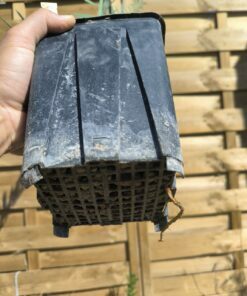
I also strongly recommend leaving the plant in its current pot for at least another year. Repotting too soon may cause unnecessary stress, and I cannot accept responsibility if a plant declines or dies as a result of premature repotting.
Please note that the sex of most plants is currently unknown, as they were grown in the tropics where they did not produce cones.
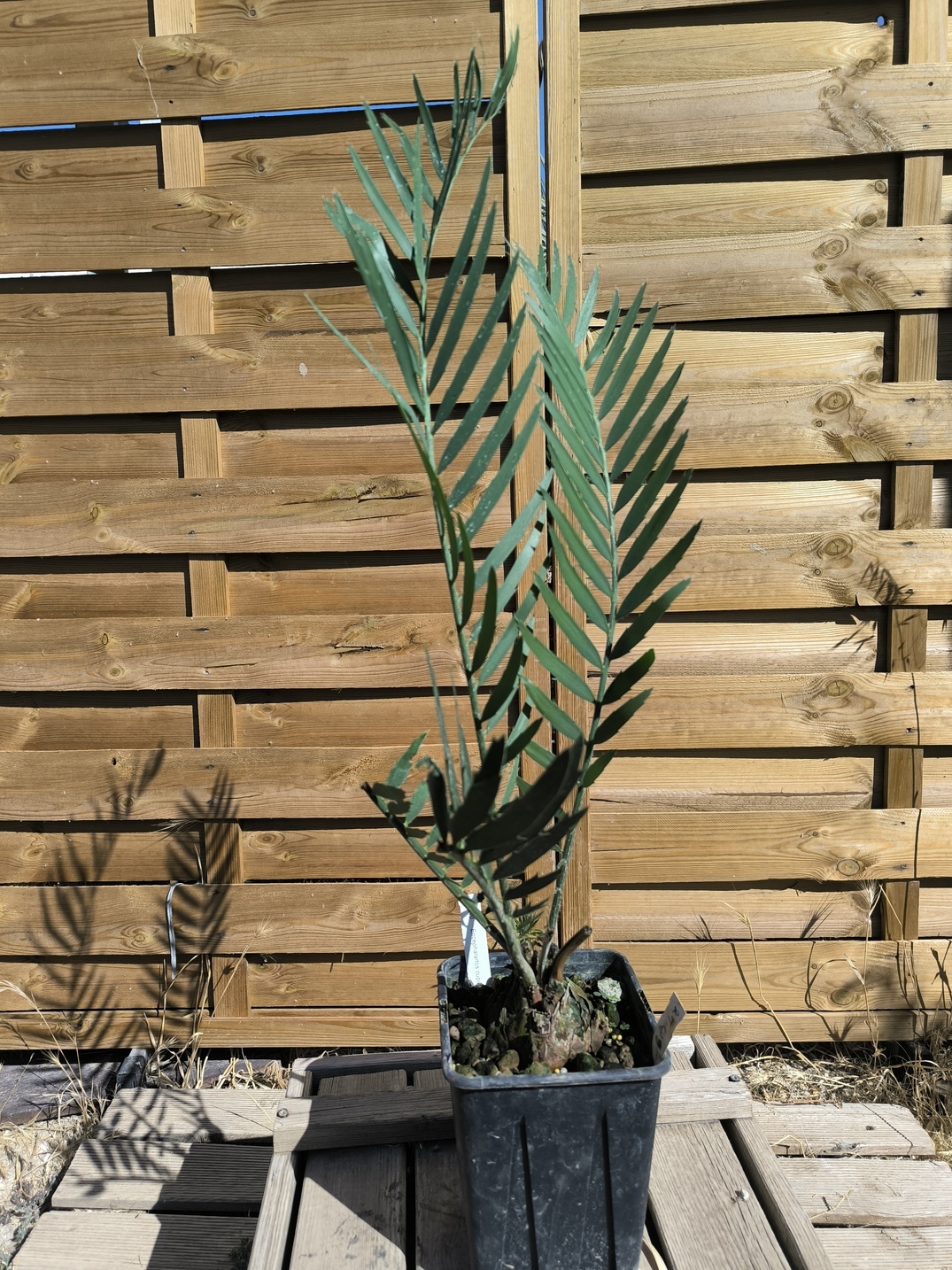
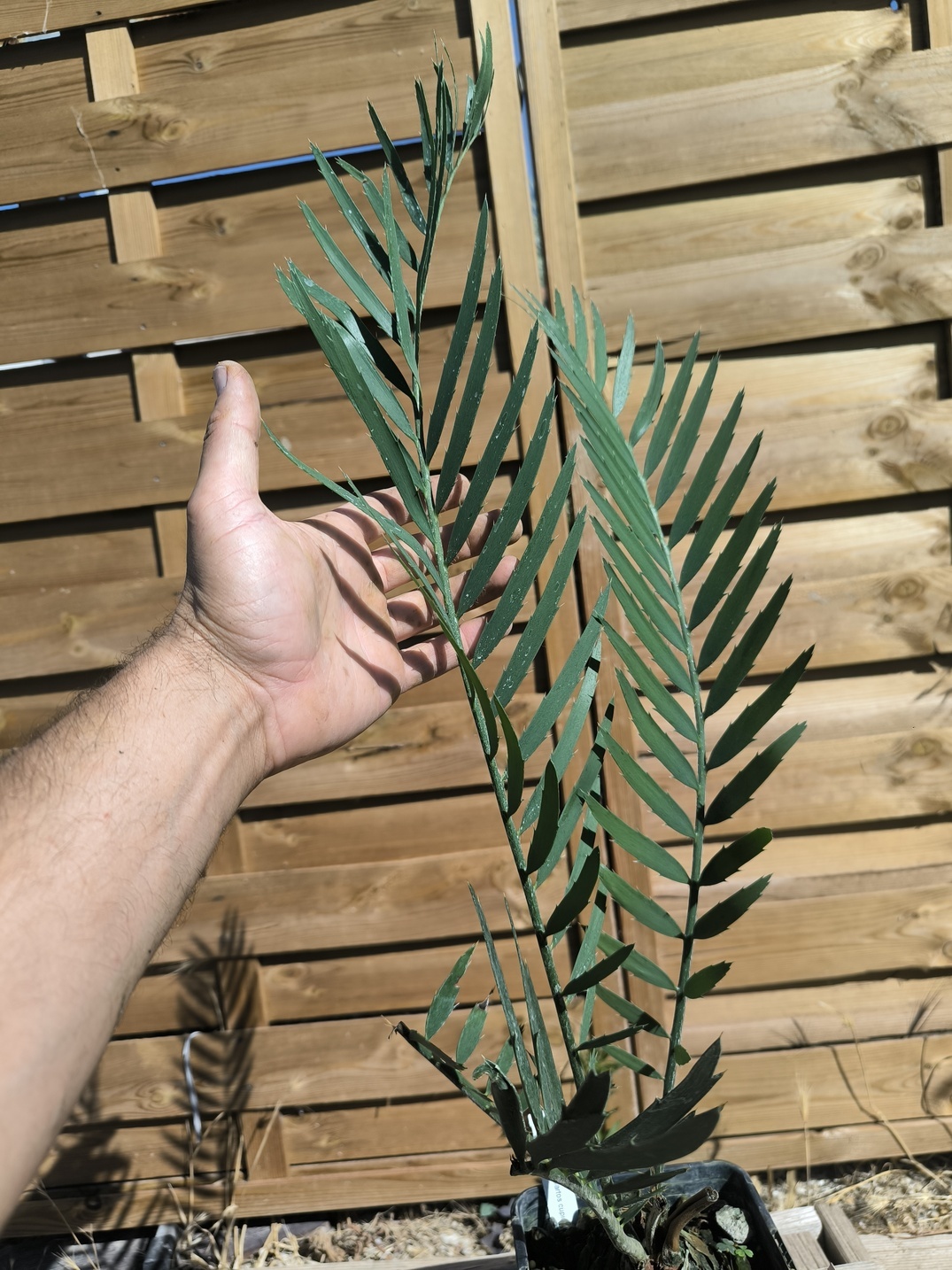
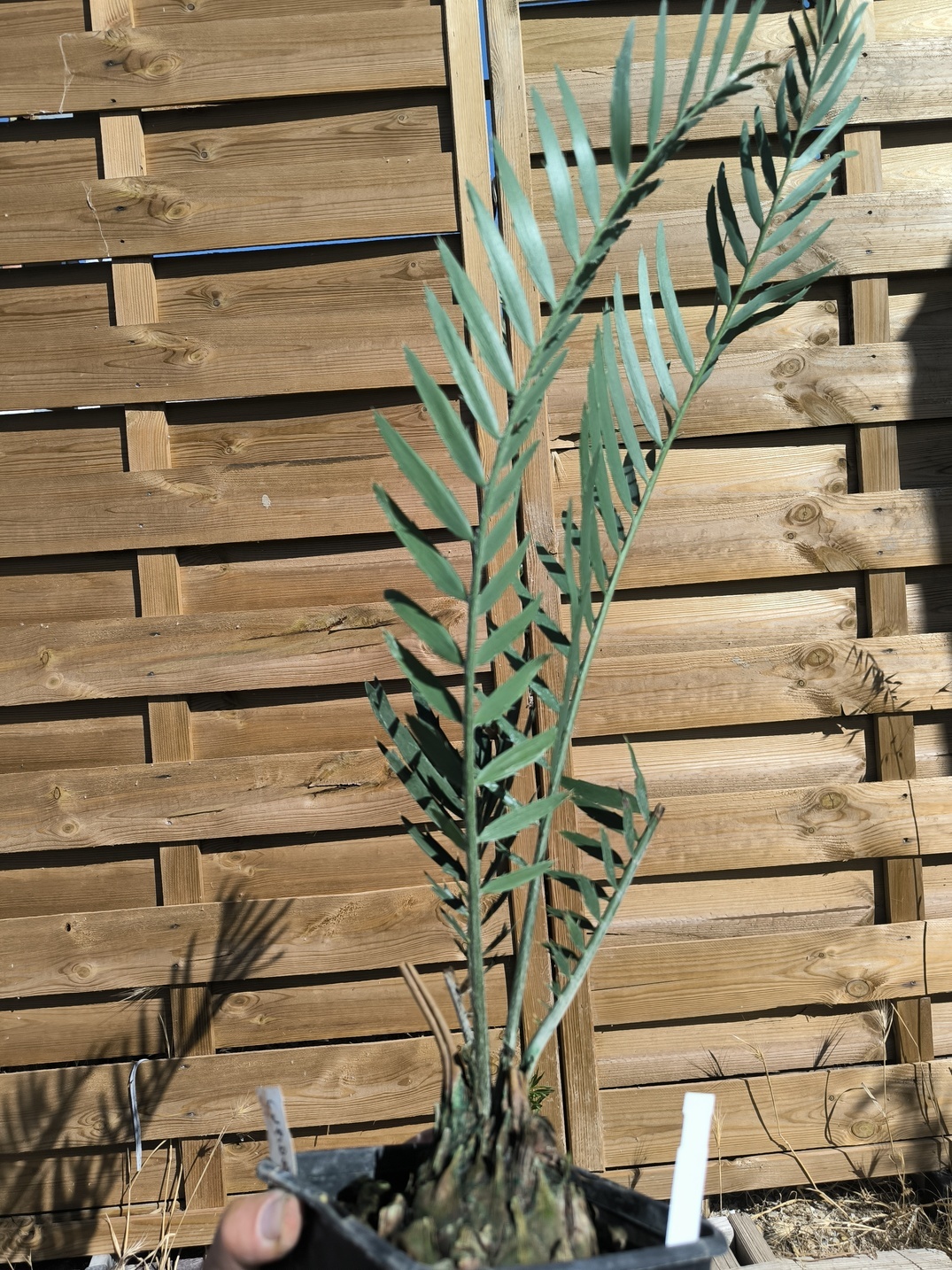
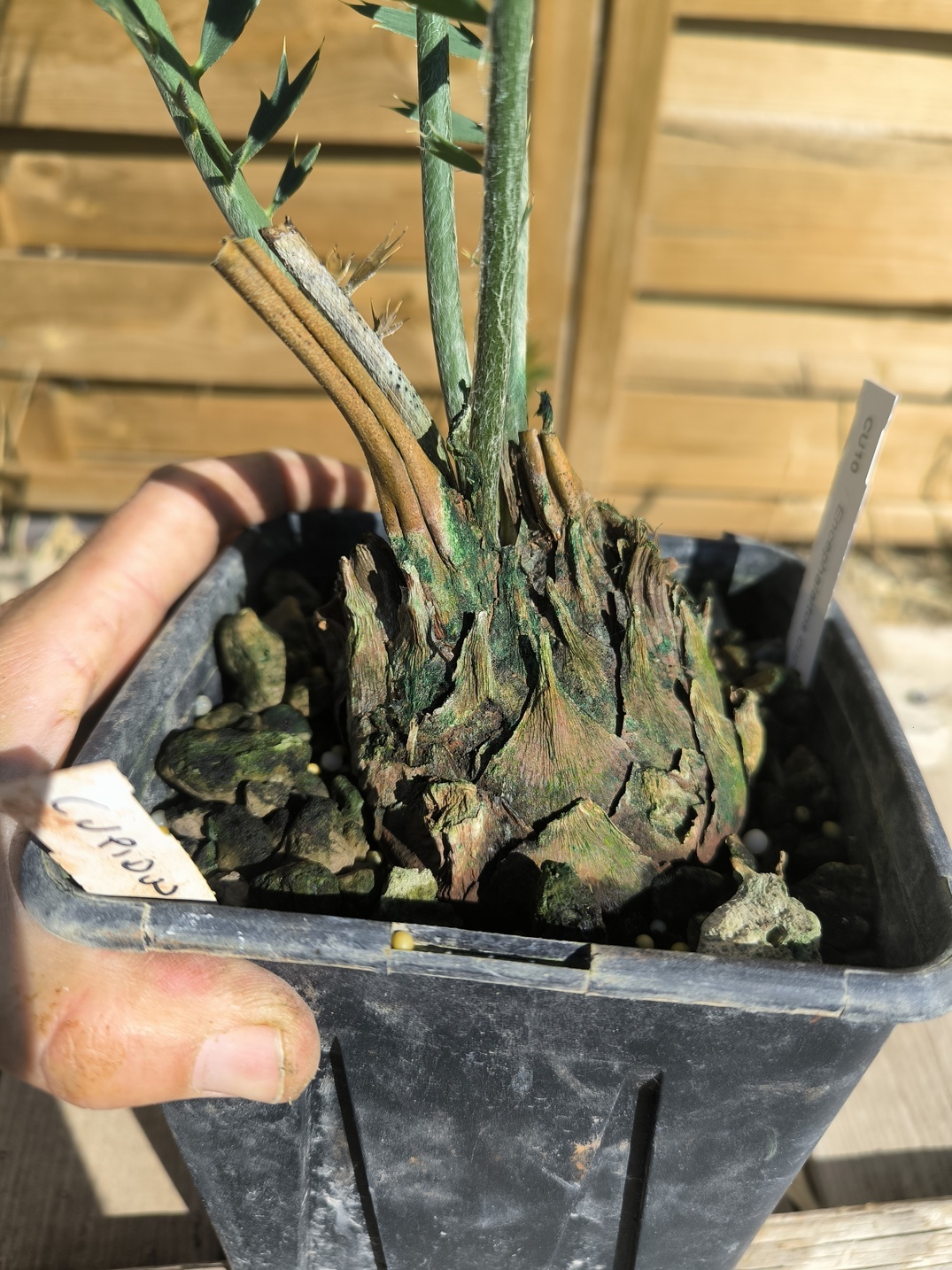
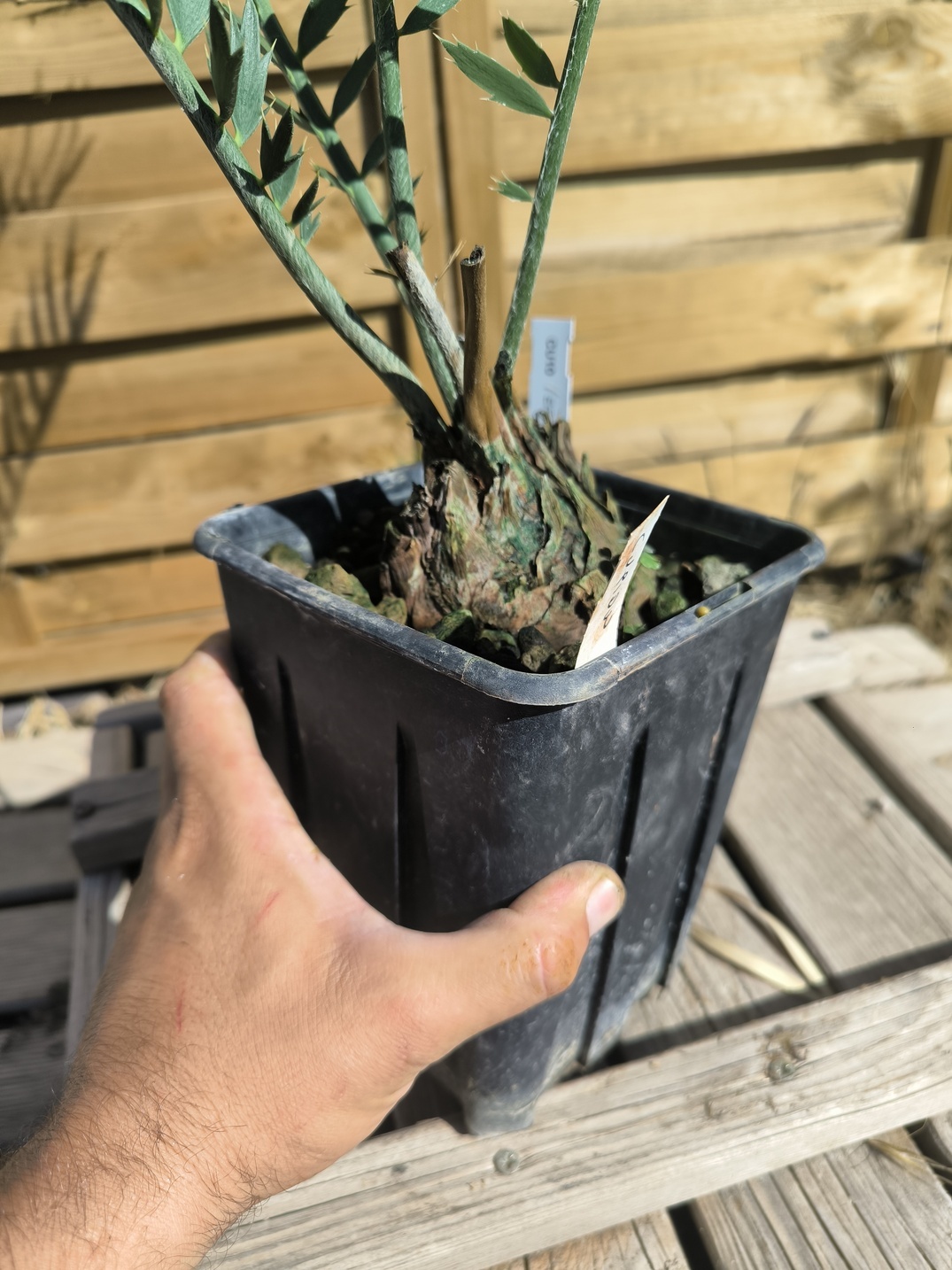
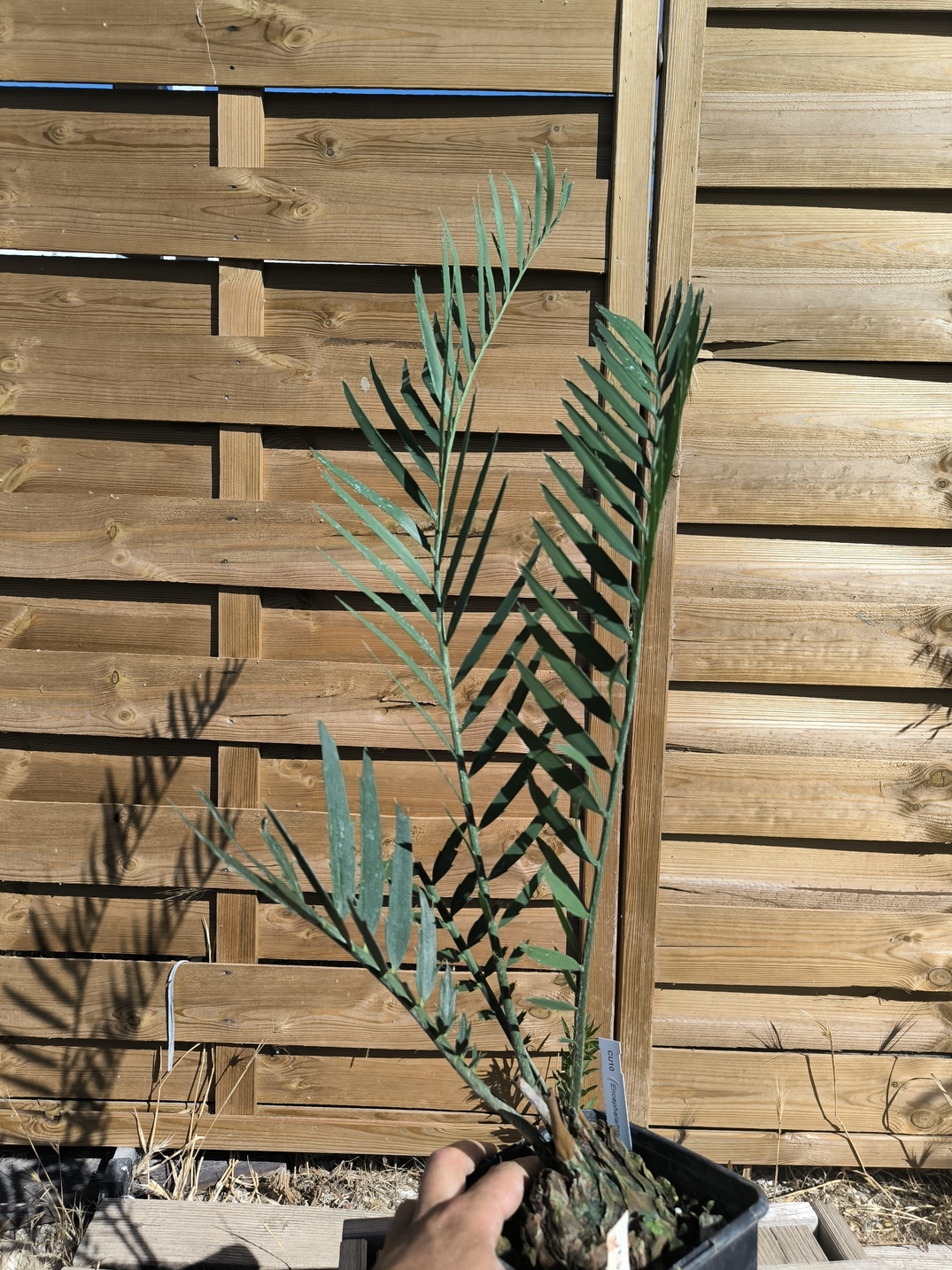
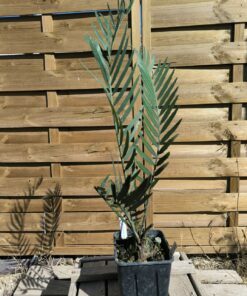
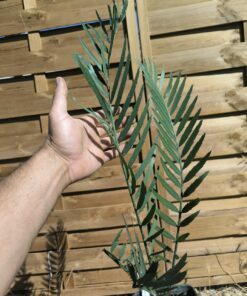
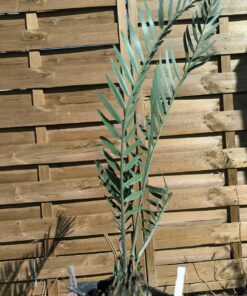
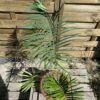
Identity card of the specimen
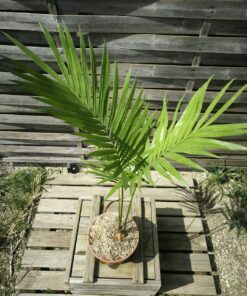
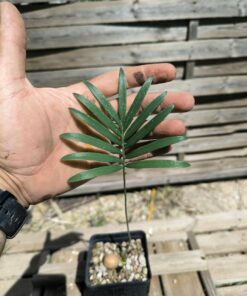
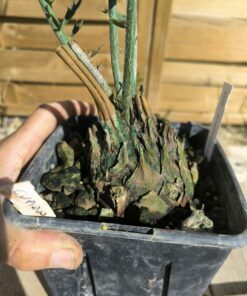
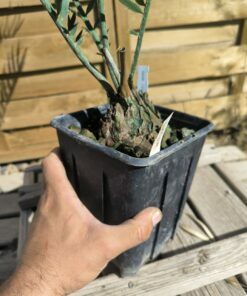
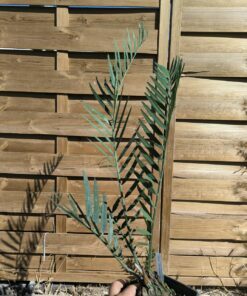
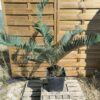
Species: Encephalartos cupidus
Number: CU10
Sex: Supposed male
Caudex size : 7cm
Locality: Type location
Status in the wild: Officially Critically Endangered but probably extinct in the wild
| Weight | 5 kg |
|---|
Related products