







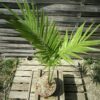
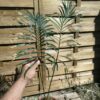
ATTENTION: Difficult plant to grow, please read the entire product sheet carefully to make sure you can provide the right conditions for this plant; it is not suitable for a standard aquarium.
Shipping: I strongly recommend express shipping for this very fragile plant. For mainland France as well as Germany, the Netherlands and Belgium, standard shipping may work. No shipping via Mondial Relay!
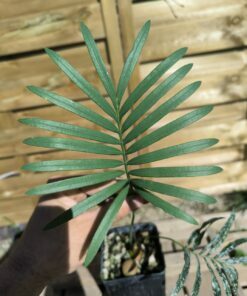
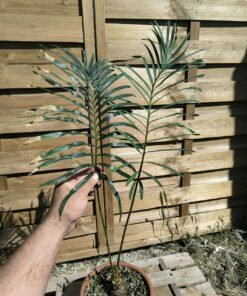
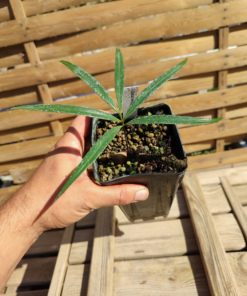
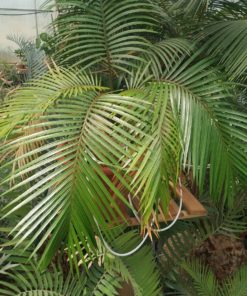
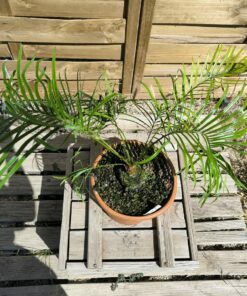
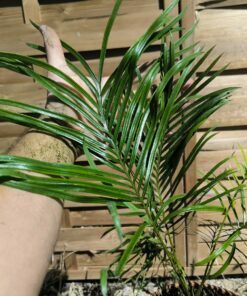
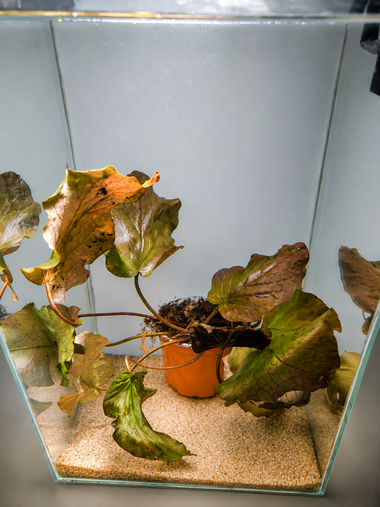
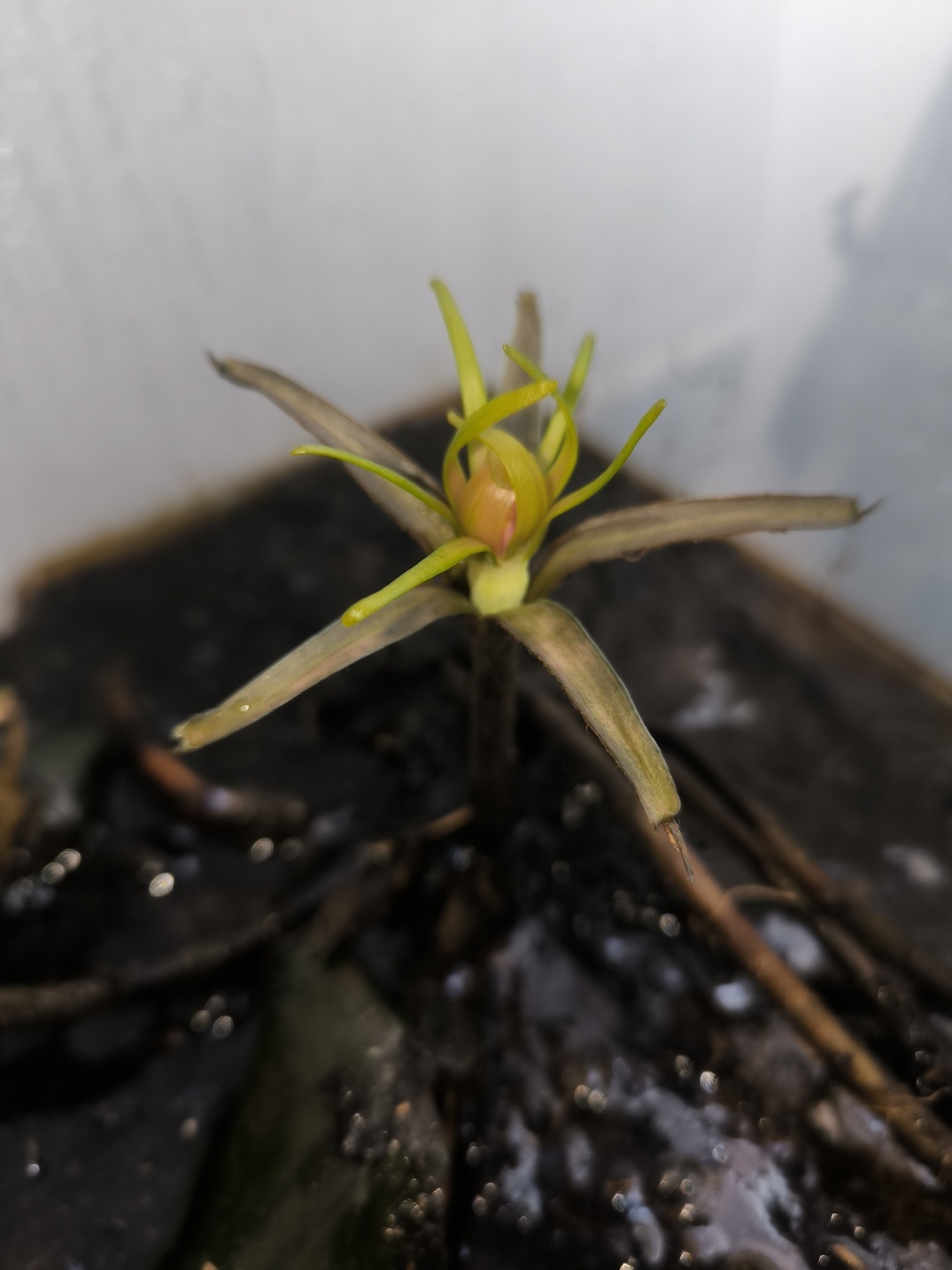
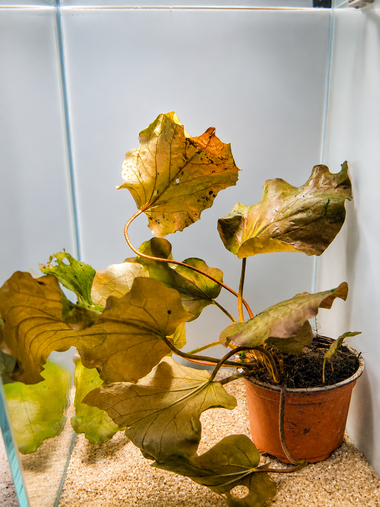
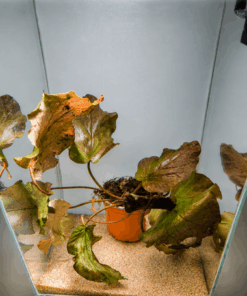
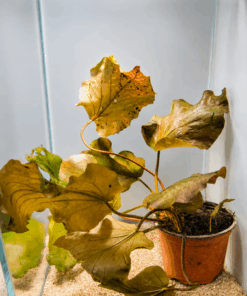
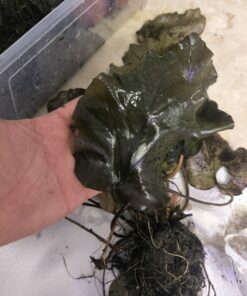
Package contents: The package contains 1 Barclaya motleyi plant in a 10 cm pot with at least one growth point and 1 L of specific substrate for Barclaya (forest soil from Fagus sylvatica), which will allow you to grow the plant for at least 6–12 months. Photos are indicative only, to give an idea of the size of the plant sent.
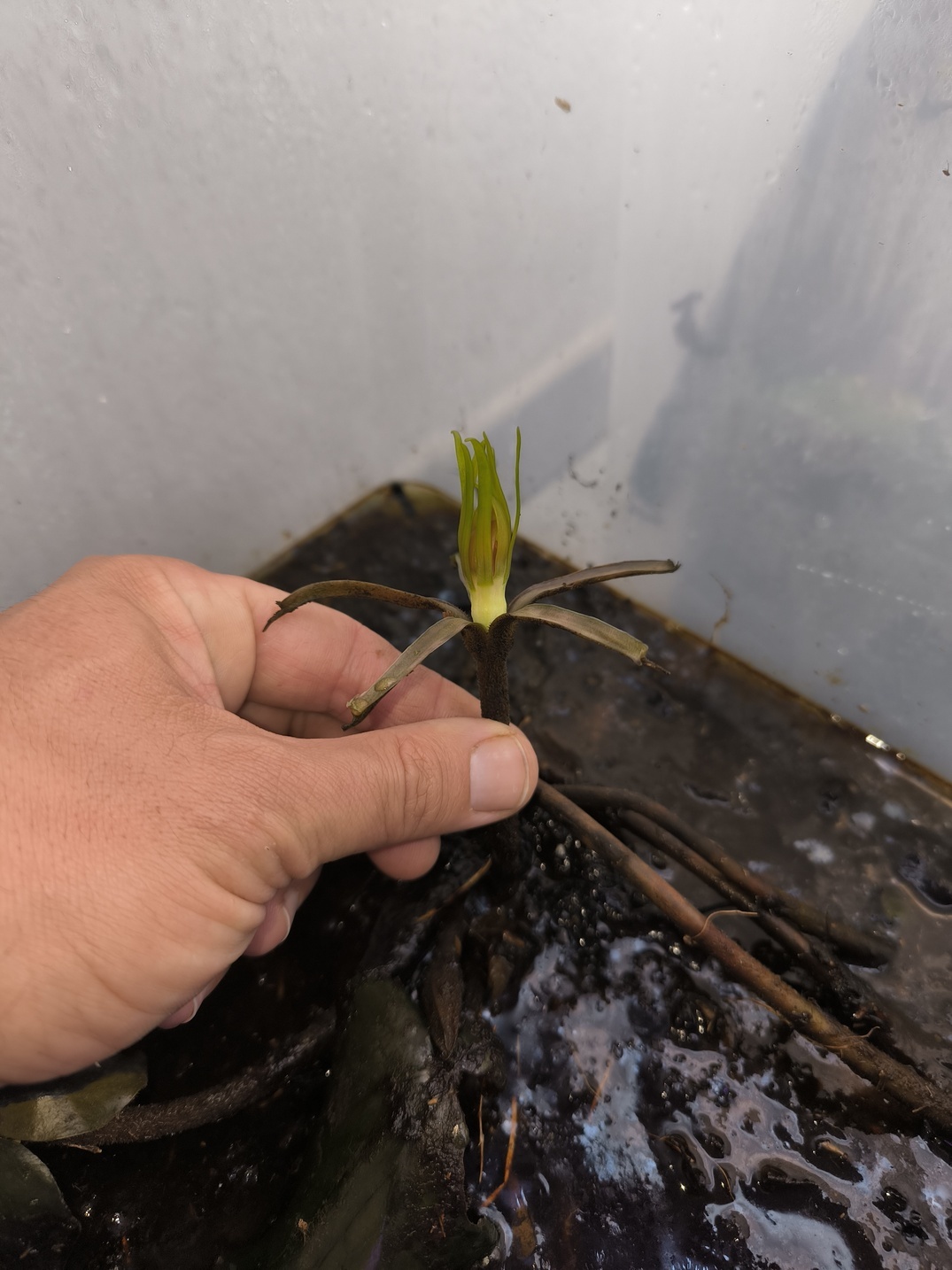
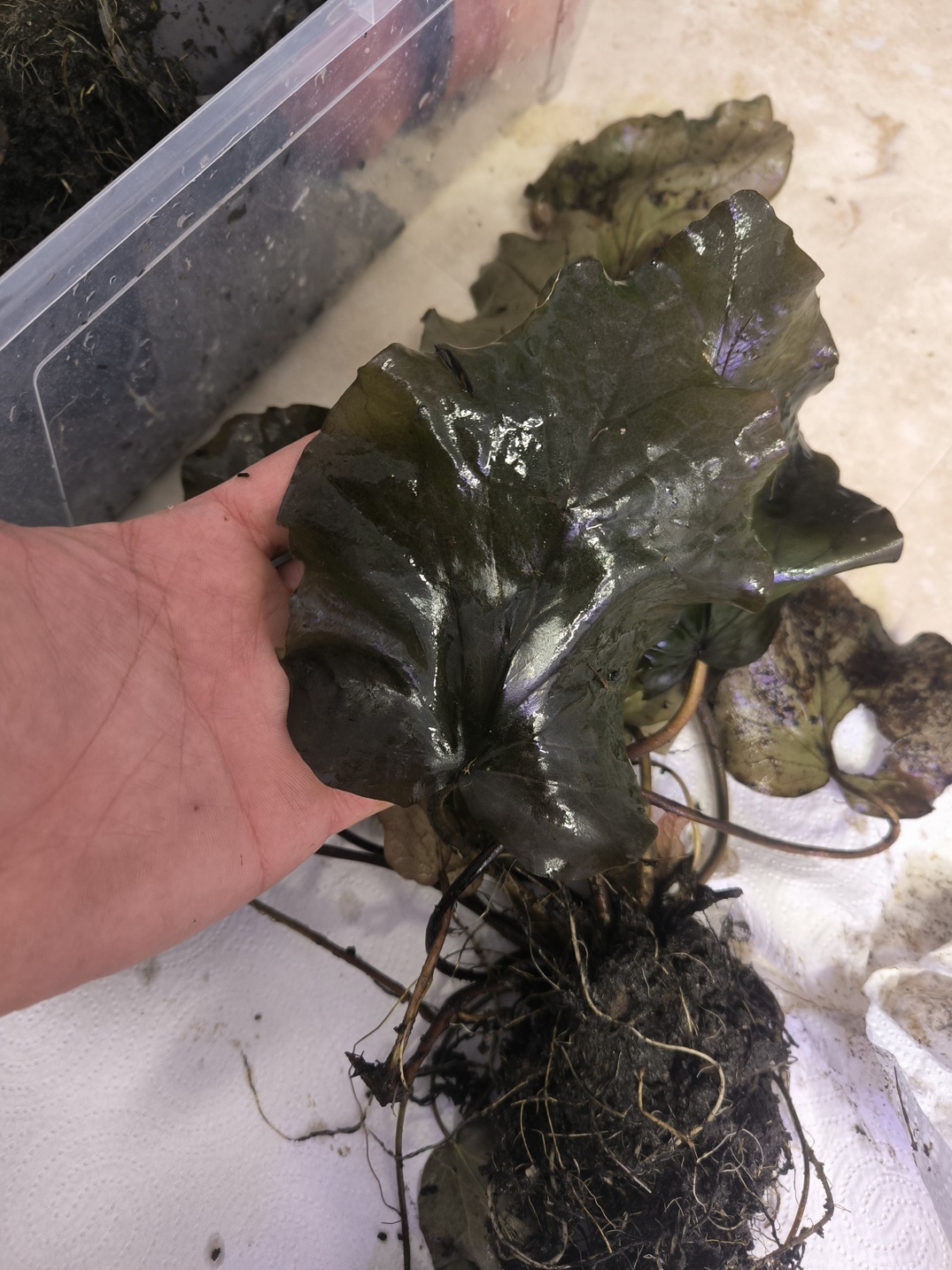
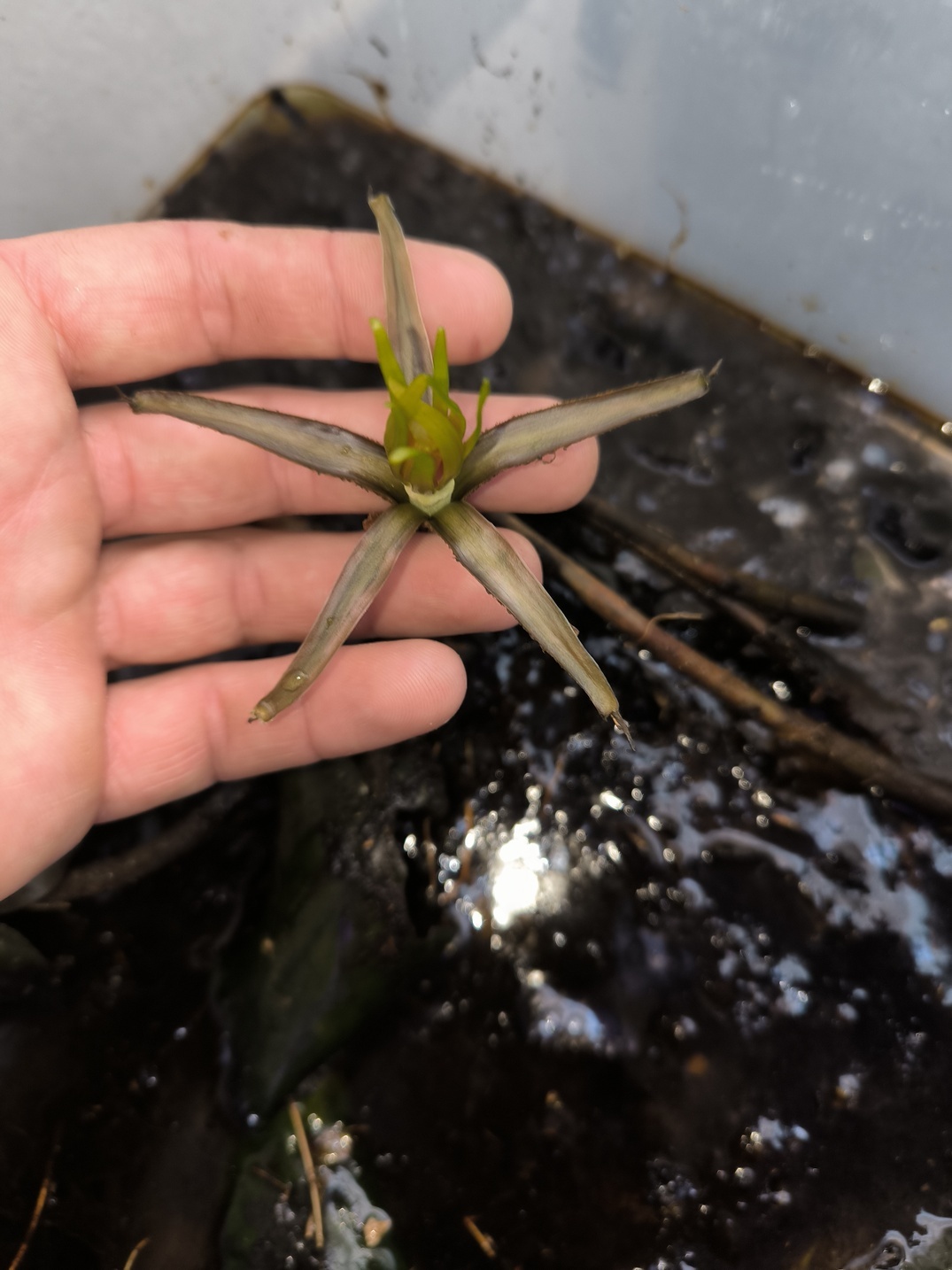
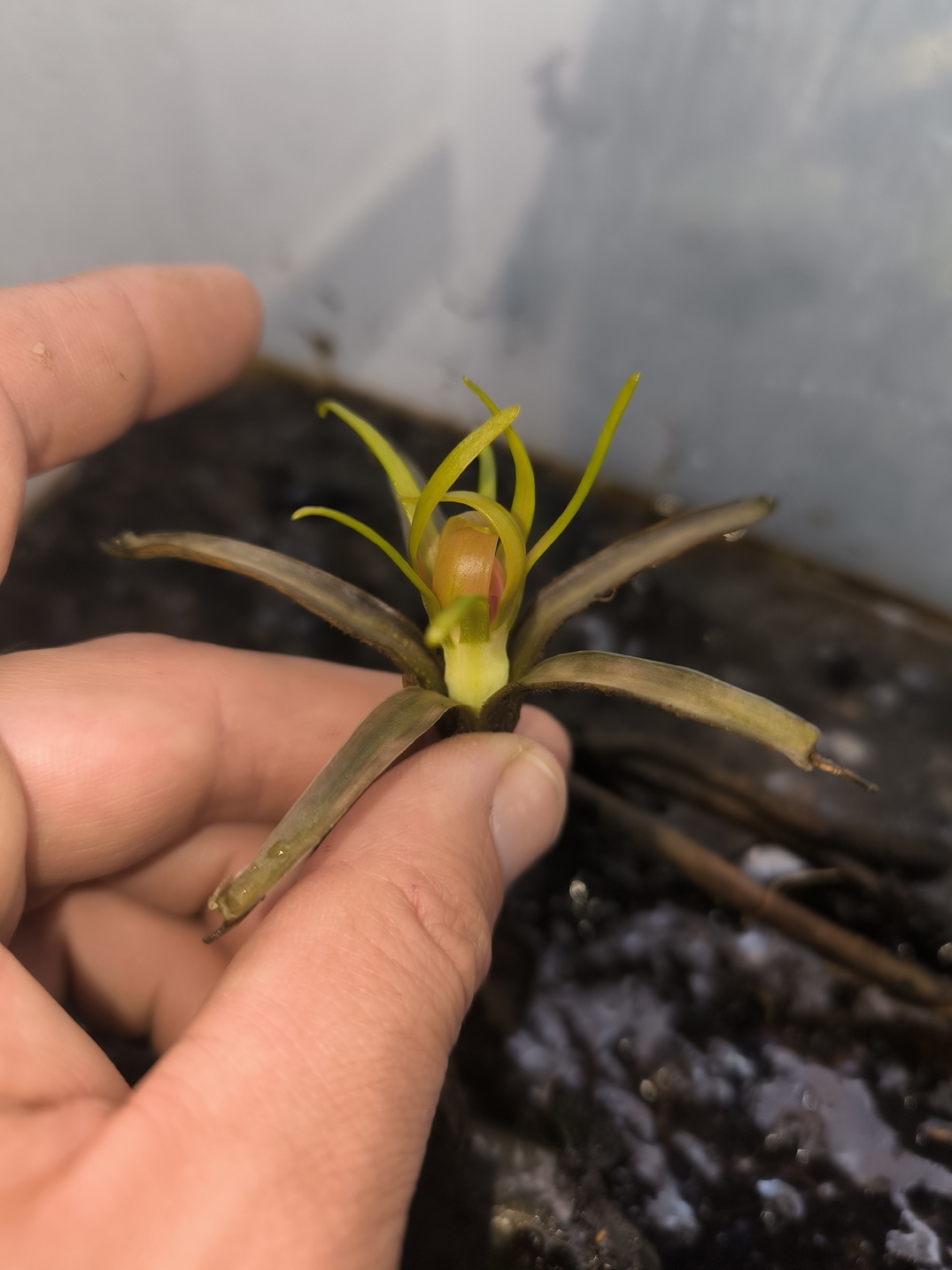
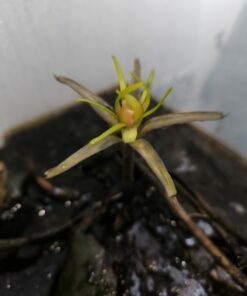
Habitat and description: Barclaya motleyi is a relative of Nymphaea (it belongs to the Nymphaeaceae family) and is found in slow-flowing streams in tropical forests. These streams, fed by rainfall, have a very acidic pH due to the decomposition of tree leaves and the bedrock from which they originate. This species can reach fairly large dimensions, with leaves up to 15 cm in diameter and a total spread of 40–50 cm. The flowers are yellow and pink; they open in the evening and remain open for 3 days. The fruit takes about 3 months to mature.
Culture: Difficult, for experienced hobbyists. Before the plant arrives, prepare a covered tank with demineralized water (absolutely no tap water!) and good horticultural lighting, heated to 23–24 °C. It is not necessary to repot immediately; you can keep the original substrate until needed. It is known that the plant requires fresh substrate when its leaves begin to develop perforations. Try to maintain a constant temperature of 23–25 °C; outside this range, the plant may decline. Check periodically that the pH does not exceed 6 and that conductivity remains below 100 ppm.
Repotting: Like many Nymphaeaceae, it does not require a very large pot; however, remember to weight it down with non-calcareous stones, as gas bubbles produced by substrate decomposition can cause the pot to tip over after some time.
Substrate: The substrate I provide contains all the necessary nutrients; no fertilizer needs to be added. It is forest soil collected with the landowner’s permission according to the method developed by Niels Jacobsen: a forest dominated by Fagus sylvatica on non-calcareous soil (essential!) is located, the first layer of leaf litter is removed, and soil is collected from the top 5–10 cm. It is then soaked in osmosis water for 2 weeks, with one or two rinses, to remove excess minerals and reach pH 5.5 and 50 ppm. This substrate is ready to use as is.
Container: I recommend a tank or aquarium with a lid, as evaporation tends to concentrate minerals, which can be harmful to the plants in the medium term. For an adult plant, I recommend a tank measuring 40 × 60 cm; a shallow depth is sufficient, 20 cm is enough.
Light: In its natural habitat, this species is found in streams that are often fairly open within the jungle, so the plants receive at least a few hours of direct sunlight per day. Therefore, high-quality lighting is required to achieve good leaf coloration. LED lights sold on Amazon, such as these, work very well:
https://www.amazon.fr/dp/B0DHZLV2VF/ref=twister_B0DMSSJ5G2?_encoding=UTF8
(I have no affiliation with Amazon; these are LEDs I use myself and they offer excellent value for money.)
| Weight | 2 kg |
|---|
Related products